Mastering Your Summer Ceiling Fan Settings: The Power of Counterclockwise Rotation
As the mercury rises and the sun beats down, many of us seek refuge in the cool comfort of our homes. While air conditioning is often the first line of defense against summer heat, there's a powerful, energy-efficient ally hanging right above you: your ceiling fan. But simply turning it on isn't enough to unlock its full potential. The key lies in understanding **which way should fan spin in summer** to maximize its cooling effect and save on your energy bills.
The short answer is:
counterclockwise. This seemingly minor adjustment makes a significant difference in how you experience your home's climate. Let's delve into why this direction is crucial for creating that refreshing downdraft, keeping you comfortable, and lowering your utility costs.
The Science Behind the Breeze: Counterclockwise for Cooling Power
It's a common misconception that ceiling fans actually lower the room's temperature. In reality, they don't. What they do is create a "wind chill" effect directly on your skin, making you *feel* cooler. Think of it like a natural breeze on a warm day – the air itself isn't colder, but the movement evaporates moisture from your skin, providing a sensation of coolness.
For this cooling sensation to be effective during the summer, your ceiling fan blades need to rotate **counterclockwise**. When viewed from below, the blades should appear to be spinning from right to left, moving in the opposite direction of a traditional clock's hands. This counterclockwise motion, combined with the specific pitch or angle of the fan blades, is engineered to push air *downward* into the room. This creates a direct column of air – a downdraft – that flows over occupants, generating that much-desired cooling breeze.
If your fan is spinning clockwise in summer, it will inadvertently pull air upwards towards the ceiling, creating an updraft. This is ideal for circulating warm air in winter but completely ineffective for cooling in summer. If you find yourself standing under your ceiling fan and not feeling any significant airflow, chances are it's rotating in the wrong direction for the season. Adjusting it to spin counterclockwise will immediately transform your fan from a decorative fixture into an active cooling agent.
Unlock Energy Savings: Why Summer Fan Direction Matters for Your Wallet
Understanding **which way should fan spin in summer** isn't just about comfort; it's also about smart energy management. By creating a cooling downdraft, your ceiling fan can significantly reduce your reliance on air conditioning, leading to substantial savings on your utility bills.
How does this work? The wind chill effect produced by a counterclockwise spinning fan can make you feel cool enough to raise your thermostat by as much as 4 degrees Fahrenheit during the warmer months without sacrificing comfort. For instance, instead of setting your AC to 72°F, you might comfortably maintain 76°F with your fan running. This seemingly small adjustment can translate into considerable savings, with estimates suggesting a reduction in cooling costs by as much as 12 percent. Over an entire summer season, these savings can truly add up.
To maximize these savings, remember a crucial tip: run your ceiling fan only when you are in the room. Unlike an air conditioner that cools the air itself, a ceiling fan cools people, not spaces. If a room is empty, turning off the fan prevents unnecessary energy consumption. For those looking to maximize comfort and cost-efficiency year-round, understanding seasonal adjustments is key. Learn more about optimizing your fan's potential in our article:
Optimize Your Ceiling Fan: Direction for Year-Round Comfort & Savings.
Switching It Up: How to Change Your Ceiling Fan's Direction
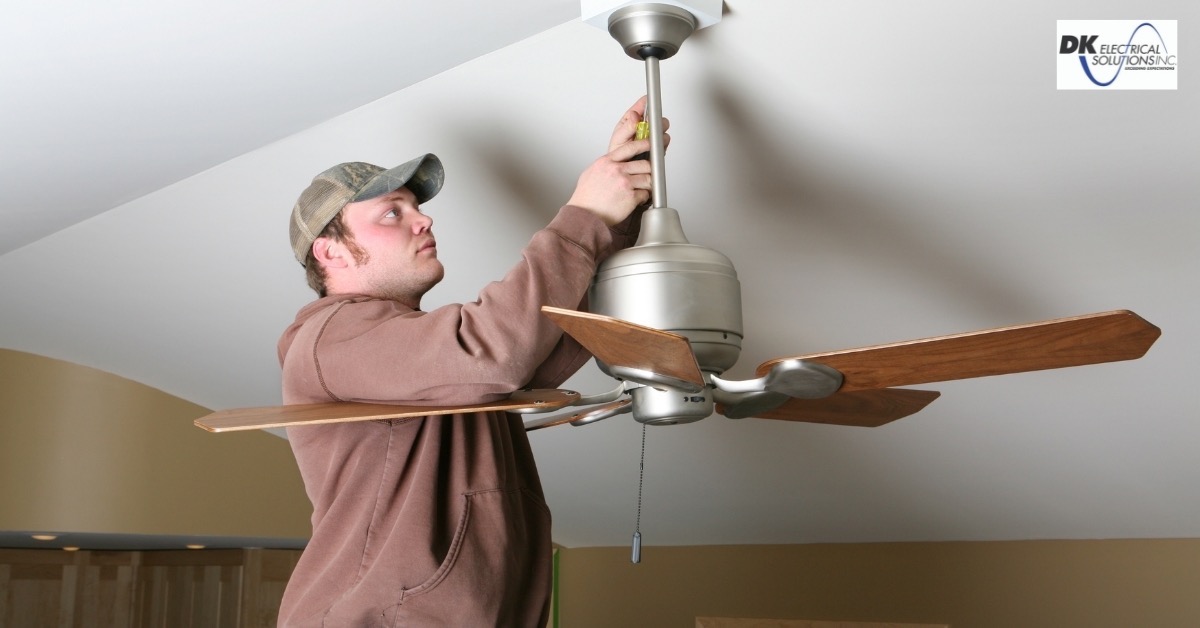
Changing your ceiling fan's direction is a quick and straightforward process that can instantly boost your home's comfort and energy efficiency. While the method may vary slightly depending on your fan model, it's generally a simple task.
**Safety First:** Before you attempt to change the direction, always ensure the fan is completely **switched off** and the blades have come to a full stop. For added safety, consider turning off the power to the fan at the wall switch or circuit breaker.
Here are the common methods for adjusting your ceiling fan's direction:
1. **Manual Reverse Switch:** This is the most common method. Many ceiling fans have a small toggle switch located on the motor housing, often above the blades or near the canopy where it attaches to the ceiling. Look for a small switch that slides back and forth. You'll simply flip this switch to change the direction.
2. **Remote Control:** Modern ceiling fans frequently come with a remote control that includes a dedicated "reverse" or "direction" button. Pressing this button will automatically switch the fan's rotation.
3. **Wall Control:** Some fans are connected to wall-mounted control units that offer speed adjustments and a direction switch.
4. **Smart Fans:** If you have a smart ceiling fan, you might be able to change its direction using a smartphone app or even voice commands through smart home assistants like Amazon Alexa or Google Assistant.
**Verifying the Direction:** After changing the setting, turn the fan back on to a medium or high speed. Stand directly underneath it. If it's spinning counterclockwise (right to left from below), you should feel a distinct, cooling downdraft. If you still don't feel a breeze, it might be spinning clockwise, and you'll need to toggle the switch or button again. For a deeper dive into summer fan direction specifics, check out:
Ceiling Fan Direction: Spin Counterclockwise for Summer Cool.
Beyond Direction: Additional Tips for Peak Summer Fan Performance
While setting your fan to spin counterclockwise is the most impactful step, there are other considerations to ensure your ceiling fan is performing optimally throughout the summer:
* **Adjust Fan Speed:** Don't be shy about increasing your fan speed during the hottest parts of the day. Higher speeds generate a stronger downdraft and, consequently, a more pronounced cooling effect. Experiment with different settings to find what feels most comfortable for you.
* **Clean Your Blades:** Dust and grime can accumulate on fan blades, reducing their efficiency and even causing wobble. Periodically clean your fan blades with a damp cloth to ensure optimal airflow and performance. A clean fan moves air more effectively.
* **Proper Fan Size:** Ensure your ceiling fan is appropriately sized for the room it's in. A small fan in a large room won't be as effective, and an oversized fan might create too much draft. Consult a sizing guide if you're unsure about your fan's suitability.
* **Combine with Air Conditioning:** Ceiling fans are excellent companions to air conditioning. By using your fan to circulate the cooled air, you can often set your AC thermostat a few degrees higher, further reducing energy consumption without sacrificing comfort.
* **Seasonal Switching:** Remember that the opposite rule applies in winter. For colder months, you'll want your fan to spin clockwise to create an updraft, gently pulling cool air up and pushing warm air trapped at the ceiling back down into the living space, improving heat distribution.
Conclusion: Embrace the Counterclockwise Cool
The answer to **which way should fan spin in summer** is unequivocally counterclockwise. This simple, often overlooked adjustment can dramatically improve your home's comfort, providing a refreshing downdraft that makes you feel cooler without actually lowering the ambient temperature. More importantly, it empowers you to reduce your reliance on energy-intensive air conditioning, leading to noticeable savings on your utility bills.
By taking a few moments to set your ceiling fan to the correct summer direction and implementing a few other optimization tips, you can enjoy a more comfortable, energy-efficient, and budget-friendly summer. So, go ahead – make that switch, feel the breeze, and stay cool!